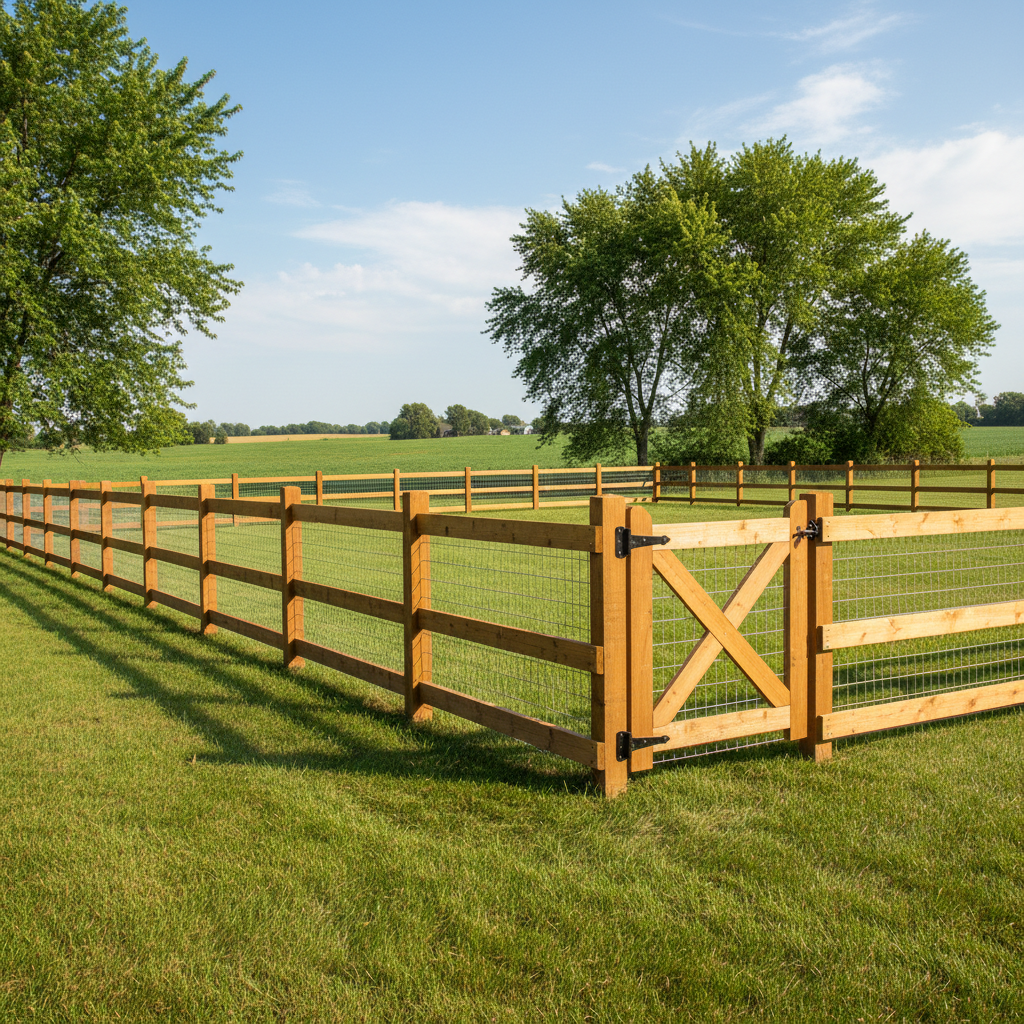
You're looking at putting up a new farm fence, or maybe replacing an old one. Great idea. A good fence is an investment, protecting your livestock, marking your boundaries, and just plain looking good. But I've seen a lot of folks around Fremont, especially out towards the county roads or even closer in where properties get bigger, make some pretty common mistakes that end up costing them time, money, and a whole lot of headaches. Let's talk about what to watch out for.
Underestimating the Ground
This is a big one, especially in our area. We've got some pretty varied soil conditions here in Dodge County. One property might have nice, loamy soil, and the next could be solid clay or even have a lot of rock just a foot or two down. I've seen people plan for standard post depths, thinking they'll just auger down, and then they hit a layer of hardpan or a rock shelf they didn't account for. Suddenly, your easy post-hole digging turns into a nightmare, requiring different equipment or a lot more labor. You need to know what you're dealing with before you even buy your posts.
A little bit of pre-digging or even talking to neighbors who've put in fences can save you a ton of grief. Don't just assume the ground's going to be cooperative. It rarely is when you're on a deadline.
Ignoring Future Needs (or Livestock Changes)
You might be fencing for cattle right now, so you spec out a three-strand barbed wire fence. Perfect for cattle. But what if you decide in five years you want to get into goats or sheep? That barbed wire won't hold them for five minutes. Or maybe you're thinking about horses, which need a much different type of fence for safety and containment.
I've seen people put up a fence that's perfect for today, but completely inadequate for tomorrow. Think ahead. What's the wildest thing you might put in that pasture? What's the smallest? It's usually cheaper to put in a slightly more versatile fence now than to tear out and rebuild later. Consider your long-term plans for the property and the animals you might keep.
Skimping on Corner and End Bracing
This is a classic rookie mistake. You can have the best line posts in the world, but if your corners and ends aren't braced properly, your fence is going to sag and fail. These are the stress points, holding all the tension of your wire. I've seen folks try to get away with just burying a corner post a little deeper or using a single brace wire. It just doesn't cut it, especially with the freeze-thaw cycles we get here in Fremont that can heave posts.
You need strong, well-set corner posts with proper H-braces or N-braces. They've got to be solid. If you're doing a long run, you might even need intermediate braces. Don't cheap out here; it's the foundation of your fence's strength.
Not Getting Clear on Property Lines
You'd be shocked how often this happens. Someone assumes they know where their property line is, puts up a fence, and then finds out they're a foot or two onto their neighbor's land. Or worse, their neighbor disputes it. That's a mess you absolutely don't want to deal with.
Before you even think about putting a shovel in the ground, confirm your property lines. Get a survey if there's any doubt, especially if you're near an older subdivision or a property that's changed hands a few times. It's a small upfront cost that can prevent huge legal battles and neighborly disputes down the road. Trust me, it's worth it.
Hiring the Cheapest Bid Without Due Diligence
Everyone wants a good deal, I get that. But when it comes to a farm fence, the cheapest bid often comes with hidden costs or future problems. I've seen contractors who don't understand proper post setting for our climate, use inferior materials, or just rush the job. They might not pull permits (if required for your specific project), or they might not be insured, leaving you liable if something goes wrong.
When you're getting quotes, don't just look at the bottom line. Ask questions: What kind of posts are they using? What's their bracing strategy? Are they insured? Do they have references? A reputable company like Alpha Fencing Solutions will be transparent about their process and materials. We're here to build you a fence that lasts, not just one that's cheap today and falling apart tomorrow. You want someone who knows what they're doing, stands behind their work, and understands the unique challenges of building fences around Fremont.
Do your homework. Ask around. A little extra spent on a quality contractor and materials now will save you a lot of grief and money in the long run. Don't regret your fence choice later.