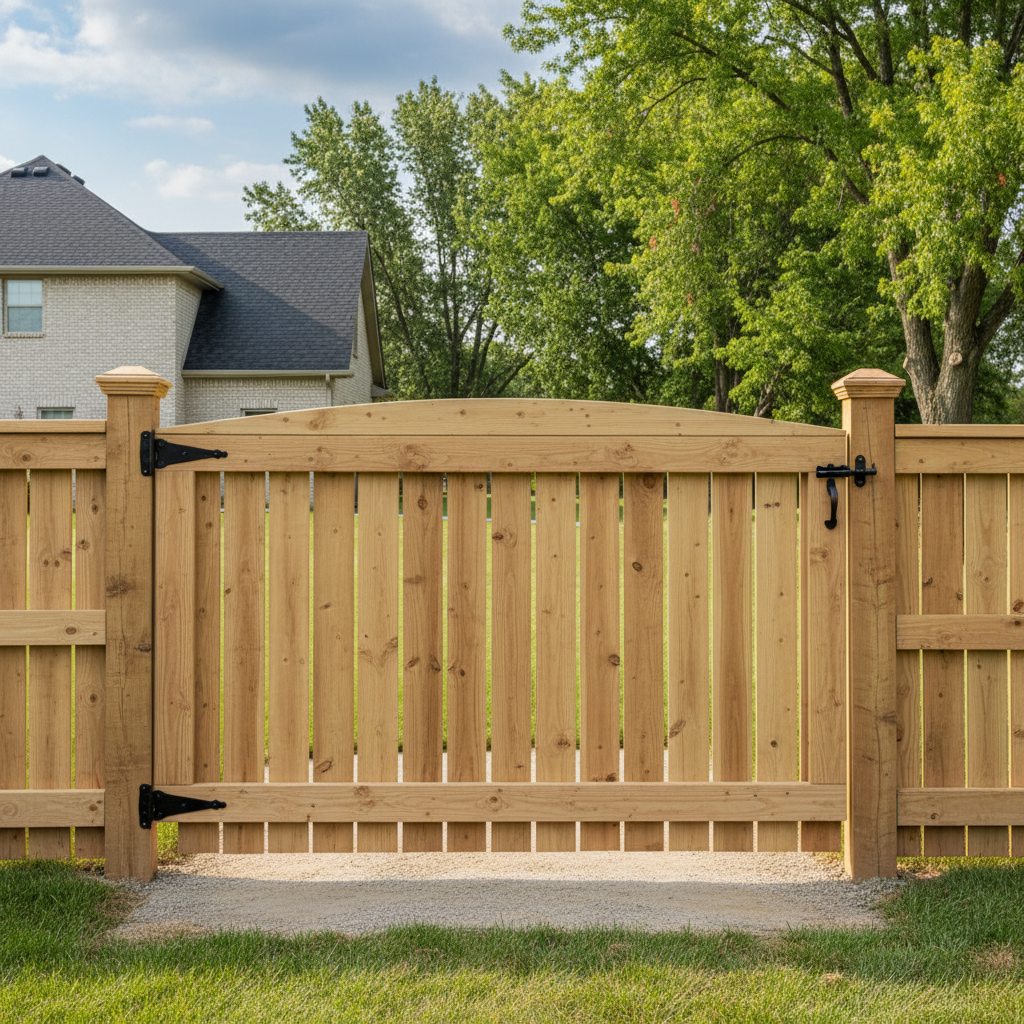
Your Gate: More Than Just a Door
Let's talk gates. You put good money into that gate, whether it's for your privacy fence, your driveway, or securing your business. It's not just a pretty face; it's a functional piece of your property that gets used every single day. And just like anything else that works hard, it needs a little looking after. Especially here in Fremont, where we get everything from icy winters to scorching summers and those brutal spring winds whipping across the Platte River valley. That kind of weather takes a toll, fast.
Extending Your Gate's Lifespan: The Long Game
You want your gate to last, right? The biggest thing you can do to extend its life is pretty simple: treat it right from the start. That means making sure it's installed correctly, plumb, level, and with the right hardware for its weight and size. That's where a good contractor like Alpha Fencing Solutions comes in, but once it's up, the ball's in your court for ongoing care.
Think about the material. A wood gate needs protection from moisture and UV rays. That means staining or painting it regularly, usually every 2-3 years, depending on the product and how much sun it gets. Metal gates, like steel or ornamental iron, need their paint or powder coating checked for chips and scratches. If you see bare metal, touch it up. Rust is a gate's worst enemy, and once it starts, it's a tough fight to win. Vinyl gates are pretty low maintenance, but even they need a good wash now and then to keep them looking sharp and prevent mildew from setting in.
Another big one: don't let it get abused. Don't let kids swing on it like a playground. Don't ram it with your car. Don't force it open if something's blocking it. Common sense, I know, but you'd be surprised what I've seen.
Regular Maintenance: Your Seasonal Checklist
I tell folks to do a quick check at least twice a year, maybe spring and fall. It doesn't take long, and it can save you a headache later.
- Check the hinges: Are they tight? Do they squeak? A little silicone spray or white lithium grease on the moving parts can do wonders. Don't use WD-40; it's a cleaner, not a long-term lubricant.
- Look at the latch/lock: Is it catching properly? Is it rusty? Does it stick? Again, a little lubricant can help. Make sure screws aren't loose.
- Inspect the posts: Are they still plumb? Is the ground around them eroding? For wood posts, check for rot at the ground line. For metal, check for rust.
- Clear the path: Make sure there's nothing obstructing the gate's swing. Weeds, dirt buildup, even a stray rock can cause drag and put stress on the hinges and posts.
- Examine the gate itself: For wood, check for warped boards, loose pickets, or rot. For metal, look for bent sections, loose welds, or peeling paint. For vinyl, check for cracks or discoloration.
For automatic gates, you've got a few more things to consider. Check the photo eyes to make sure they're clean and aligned. Test the safety features, like the auto-reverse, regularly. Look at the chain or arm mechanism for wear and tear. These systems are complex, so if you're not sure, it's best to call a pro.
Warning Signs: Don't Ignore These
Your gate will usually give you hints before it completely fails. Pay attention to:
- Sagging: If your gate isn't level anymore and drags on the ground, that's a big red flag. It means the hinges are failing, the posts are shifting, or the gate frame itself is compromised.
- Difficulty opening/closing: If you have to push or pull harder than usual, something's wrong. It could be friction, a bent frame, or a post that's moved.
- Rust or rot: Obvious, but often ignored. Small spots can turn into big problems fast. Especially with our freeze-thaw cycles here in Nebraska, moisture gets into those cracks and expands, making things worse.
- Loose hardware: Wobbly hinges, a latch that doesn't quite catch, or a post that rocks when you push on it. These are all signs of impending failure.
- Strange noises: Squealing, grinding, or popping sounds are never good.
When to Call a Professional
Look, I'm a big believer in DIY when it makes sense. But some things are just better left to the experts. You should call a professional if:
- The gate is severely sagging or dragging, and you can't easily identify or fix the cause.
- A post is leaning or rotten at the base. Replacing a post is a bigger job than most people realize, especially if it's set in concrete.
- You have an automatic gate, and the opener isn't working right, or the safety features fail. These systems can be dangerous if not repaired correctly.
- There's significant rust or rot that's compromised the structural integrity of the gate.
- You're just not comfortable tackling the repair yourself. It's better to get it done right than to mess it up and have to pay more later.
A well-maintained gate isn't just about looks; it's about security, functionality, and protecting your investment. A little proactive care goes a long way. If you're ever in doubt, give us a call at Alpha Fencing Solutions. We're here to help Fremont residents keep their gates in top shape.