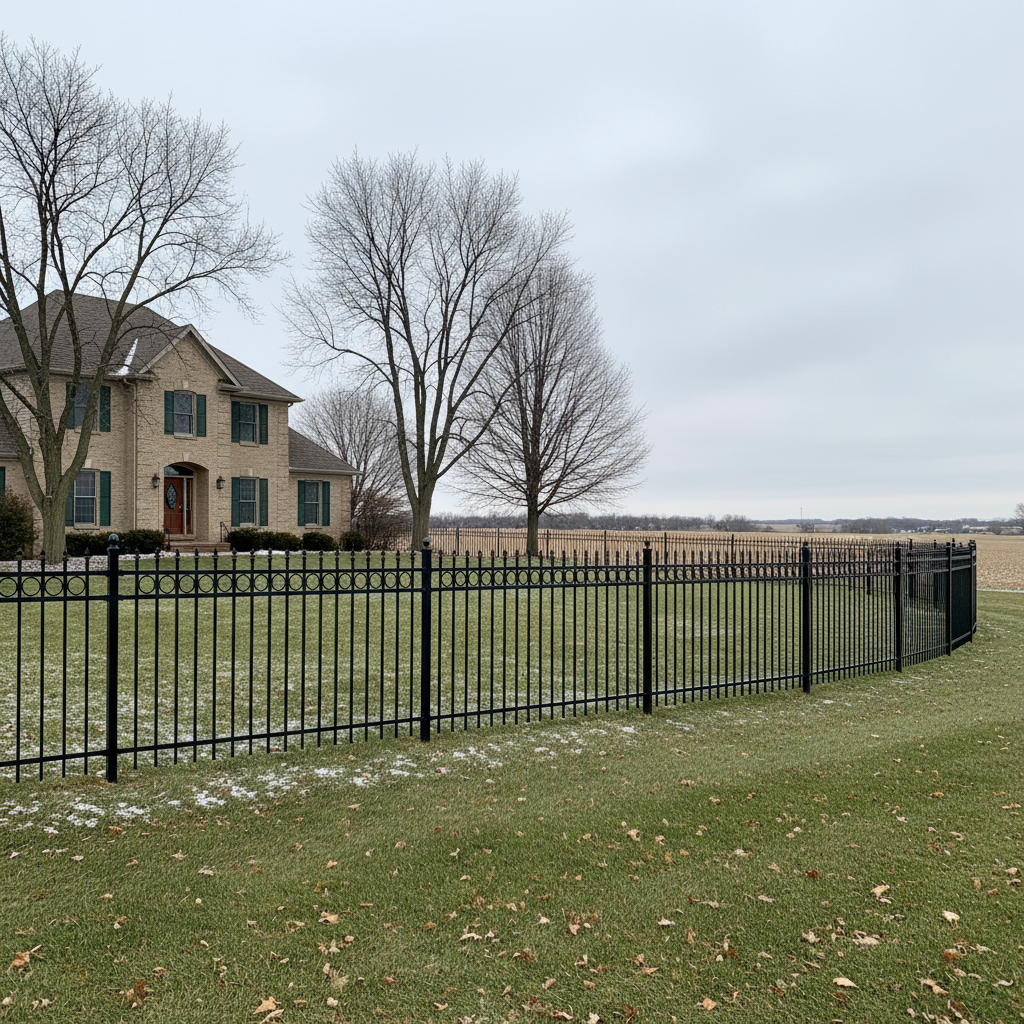
You've got a beautiful ornamental iron fence, or maybe you're thinking about getting one. Great choice! They really add a touch of class and security to any property. But living here in Fremont, we know our weather doesn't always play nice. Those hot summers and freezing winters can really take a toll if you're not prepared. So, let's talk about how to protect your iron fence investment year-round and when it's best to schedule any work.
When to Schedule Your Iron Fence Work
Timing is everything when it comes to outdoor projects, especially with iron. You're dealing with metal, and that means temperature and moisture are big factors for installation and especially for things like painting or rust treatment.
- Spring (Ideal for New Installs & Major Repairs): This is probably the best window. The ground's thawed out, but it's not scorching hot yet. Digging post holes is easier, and the milder temperatures are perfect for paint and primer to cure properly. You'll avoid the rush of summer and give your fence a good start before the heat kicks in.
- Summer (Proceed with Caution): We can definitely install iron fences in the summer, but it's not always ideal. Those long stretches of 90-degree-plus days, especially with our humidity, can make for tough working conditions. Plus, fresh paint or coatings might dry too fast, leading to issues down the road. If you're doing a new install, we'll often try to get the posts set early in the day.
- Fall (Good for Maintenance & Smaller Jobs): Once those temperatures start dropping but before the hard freezes hit, fall is another excellent time. It's great for touch-ups, rust removal, and applying protective coatings. The cooler, drier air helps these products set up nicely. Just make sure you get it done before the first deep freeze.
- Winter (Avoid if Possible): Unless it's an emergency repair, you really want to avoid winter for iron fence work. The ground is frozen solid, making digging a nightmare and driving up labor costs. Plus, most paints and sealants need specific temperature ranges to cure correctly, and you just don't get that consistently when it's below freezing. We're talking about Fremont winters here – it's not just cold, it's often windy and snowy, too.
Weather Conditions That Affect the Job
It's not just the season, it's the daily weather. We're always keeping an eye on the forecast for a few reasons:
- Rain: Obvious, right? You can't paint or apply sealants to a wet surface. It'll just peel or won't adhere. Digging in muddy conditions is also a mess and can compromise the stability of post footings.
- Extreme Heat: As I mentioned, high temps can make paint dry too quickly, leading to an uneven finish or poor adhesion. It's also just plain dangerous for the crew. We're not going to push anyone to work in unsafe conditions.
- Extreme Cold: Below 40 degrees Fahrenheit, many paints and primers just don't perform as they should. They won't cure properly, leaving your fence vulnerable. Plus, frozen ground means we can't dig effectively, if at all.
- High Winds: This is a big one for Fremont. High winds can kick up dust and debris, which can get embedded in wet paint or coatings. It also makes working with large panels tricky and unsafe.
Protecting Your Investment Year-Round
You've put good money into that fence, so you want it to last. Here's what you can do:
- Regular Cleaning: Don't underestimate a good wash. Use a mild soap and water solution, then rinse thoroughly. This gets rid of dirt, pollen, and other gunk that can trap moisture and lead to rust. Do this a couple of times a year, maybe spring and fall.
- Inspect for Rust: This is the big one for iron. Walk your fence regularly, especially after a harsh winter or a lot of rain. Look for any chips in the paint, scratches, or small spots of rust. The sooner you catch it, the easier it is to deal with.
- Address Rust Promptly: Don't let rust spread. If you find a spot, clean it with a wire brush, apply a rust-inhibiting primer, and then touch it up with exterior-grade paint that matches your fence. If it's a bigger job, that's when you call us at Alpha Fencing Solutions. We can handle the prep and recoating properly.
- Trim Vegetation: Keep bushes, vines, and trees from growing directly on or against your fence. They can trap moisture, rub off protective coatings, and even cause structural damage over time.
- Check Hardware: Periodically inspect gates, latches, and hinges. Make sure they're moving freely and aren't seizing up. A little lubrication goes a long way.
- Consider a Professional Inspection: Every few years, especially if your fence is older, it's not a bad idea to have a pro like us give it a once-over. We can spot potential issues you might miss and recommend preventative measures.
Your ornamental iron fence is a valuable part of your property. With a little seasonal attention and smart scheduling, you can keep it looking fantastic and performing its job for decades to come. Don't hesitate to reach out if you've got questions or need a hand with maintenance or repairs.