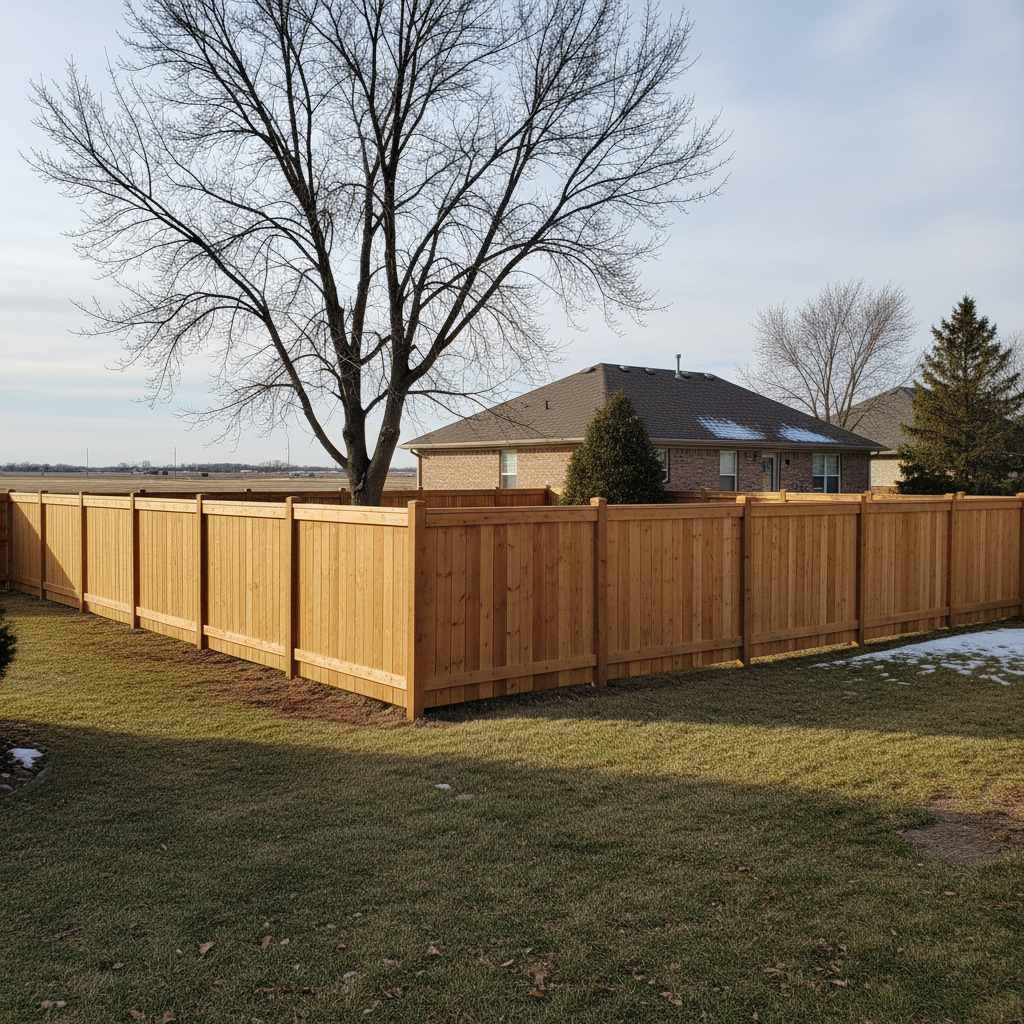
So, you're probably asking yourself, "When's the best time to put up a new wood fence here in Fremont?" It's a totally fair question, especially given the kind of weather we get. You really don't want to spend good money on a beautiful cedar or treated pine fence only to have it battling the elements from day one, right?
When to Schedule Your Wood Fence Installation
Honestly, spring and fall are usually your best bets for wood fence installation around here. Why? Well, the ground isn't frozen solid like it is in January, and it's not baked hard as a brick like it can get in August. Digging post holes is just a whole lot easier when the soil is workable. Plus, temperatures are generally milder, which is better for the wood itself and, frankly, for the crew doing the work.
Sure, we've done installs in summer, but then you're fighting the heat. And if we hit a drought, that ground can get seriously tough. Winter? Forget about it for most wood fence projects. Unless it's a super mild winter, the ground's frozen solid. We can't dig proper post holes, and trying to force it just leads to shoddy work and potential damage to equipment. Nobody wants that. So, aim for April through June or September through October. That's your sweet spot.
How Weather Affects the Work
Our Fremont weather isn't always predictable, is it? One day it's sunny and 70, the next it's hailing. When we're talking about wood fence installation, a few things really matter:
- Rain: A little drizzle isn't usually a deal-breaker, but heavy, continuous rain? That'll stop us cold. Digging in mud is a nightmare, and it makes setting posts correctly pretty tough. Plus, you don't want your new wood getting soaked right after installation if it's not treated yet.
- Wind: High winds can be dangerous, especially when we're lifting long fence sections or trying to get posts perfectly straight. Safety first, always. We'll reschedule if it's too blustery.
- Temperature Extremes: As I mentioned, extreme cold makes digging impossible. Extreme heat wears out the crew fast, and it can also cause wood to expand and contract rapidly, which isn't ideal during the initial setting phase.
- Ground Conditions: This is huge. If the ground is waterlogged from a lot of rain, or rock-hard from a long dry spell, it slows everything down. We've got pretty heavy clay soil in a lot of areas around Fremont, especially closer to the Platte River, so that can be a real challenge if it's too wet or too dry.
We're always watching the forecast. If the weather looks iffy, we'll communicate with you about potential delays or rescheduling. It's all about getting your fence installed right, not just fast.
Protecting Your Wood Fence Year-Round
Once your beautiful new wood fence is up, you've got to protect that investment. Our Nebraska seasons are tough on wood, no doubt about it. Here's what you need to do:
1. Sealing or Staining: This is probably the most important thing you can do. If your fence isn't made of naturally weather-resistant wood like cedar, or if it's pressure-treated pine, it still needs protection. A good quality stain or sealant will guard against moisture, UV rays, and rot. You'll want to do this within a few months of installation, once the wood has had a chance to dry out properly. Then, plan to reapply every 2-5 years, depending on the product and how much sun your fence gets.
2. Regular Cleaning: Don't let dirt, mildew, or algae build up. A simple wash with a garden hose and a soft brush can do wonders. For tougher spots, a mild wood cleaner (make sure it's safe for your specific wood and finish) can help. Avoid high-pressure washers unless you know what you're doing; they can damage wood fibers.
3. Check for Damage: Walk your fence line a few times a year. Look for loose boards, popped nails, or signs of insect damage. Catching these problems early makes repairs much easier and cheaper. Our freeze-thaw cycles here can really work on fasteners, so keep an eye out for those.
4. Keep Vegetation Clear: Don't let vines grow on your fence or bushes rub against it constantly. This traps moisture, encourages rot, and can provide pathways for insects. Trim back any plants that are too close.
5. Address Drainage: Make sure water isn't pooling at the base of your fence posts. Good drainage around the fence line helps prevent rot at ground level, which is a common failure point for wood fences.
A wood fence adds so much character and value to your home. With a little foresight on installation timing and some consistent care, it'll stand strong and look great for years to come. If you've got questions about what kind of wood is best for our climate or need a quote, give us a shout at Alpha Fencing Solutions. We're happy to help you figure it all out.