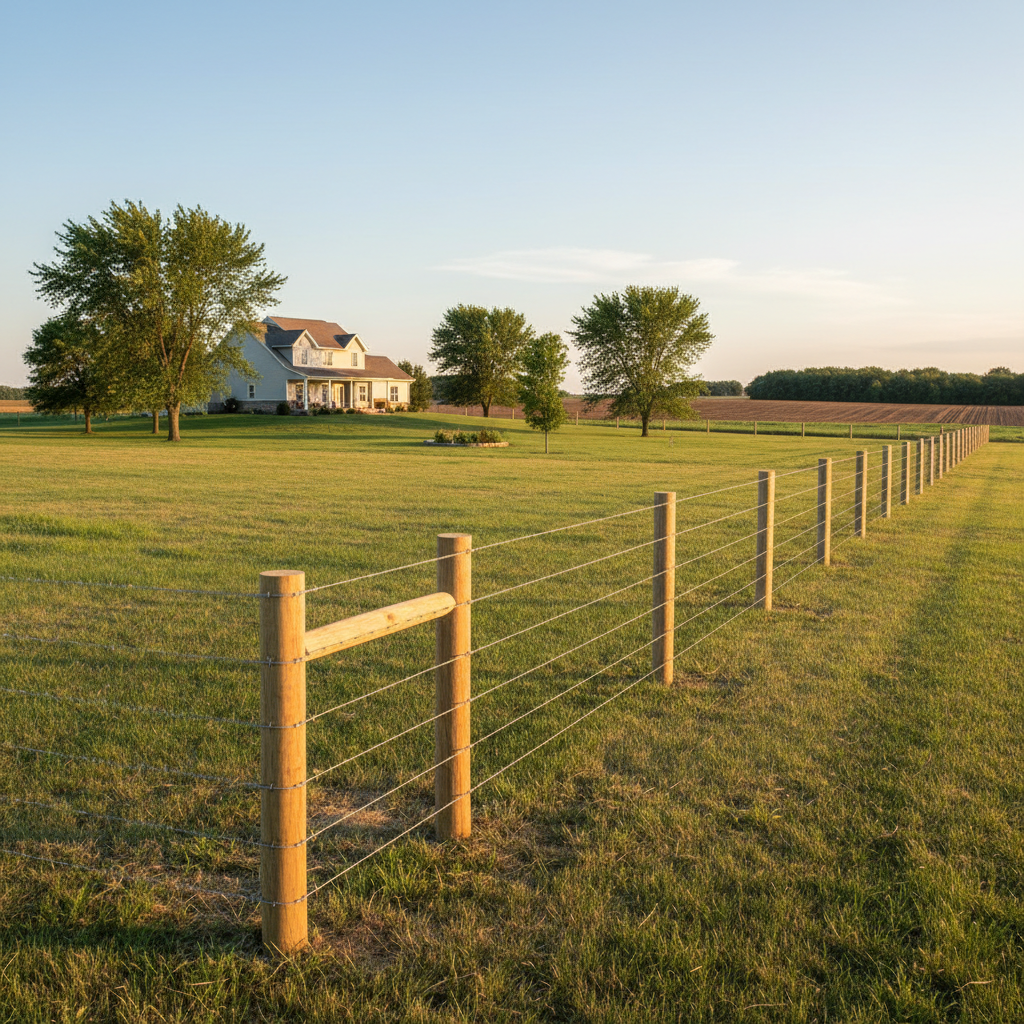
Thinking About a New Farm Fence? Let's Get Planning.
So, you're looking at putting up a new farm fence, or maybe replacing an old one. Good call. Whether it's for livestock, property lines, or just keeping the critters out of your garden, a solid farm fence is a big investment and a crucial part of your property. But it's not something you just wake up and decide to do tomorrow. There's a bit of planning involved if you want it done right, on time, and without headaches.
I've been doing this for a while here in Fremont, and I've seen all kinds of projects. The ones that go smoothest are always the ones where the homeowner's done a little homework upfront. Let's walk through what you need to think about.
Timeline: Don't Rush It
First off, don't expect this to happen overnight. A good farm fence project usually takes a bit of time from that first thought to the final gate swing. Here's a rough breakdown:
- Initial Research & Contractor Contact (2-4 weeks): You're doing this now! Figure out what kind of fence you need (barbed wire, woven wire, high-tensile, electric, wood rail – there are options), and start reaching out to a few local contractors. Get some estimates.
- Site Visit & Design (1-2 weeks): A good contractor will come out, walk your property with you, and talk through your specific needs. They'll help you map out the fence line, discuss gate placement, and figure out the best materials for your soil type and livestock. Here in Fremont, we often deal with clay soil, which can be tricky for post setting if not done right, so that's something we'll discuss.
- Permits & Approvals (Varies, 2-8 weeks): This is a big one. Depending on your property and the fence's location, you might need permits from the county or even your HOA if you're on the edge of a development. Don't skip this. Your contractor should be able to guide you, but ultimately, it's your responsibility to make sure everything's above board.
- Material Ordering & Delivery (2-6 weeks): Once everything's approved, materials need to be ordered. Some specialized fencing materials aren't always sitting in a warehouse down the street, especially for larger farm projects. Lead times can vary.
- Installation (1-4 weeks, or more for big jobs): This is where the real work happens. The actual time depends on the length of the fence, the terrain, the materials, and the weather. We can't control the Nebraska weather, so sometimes rain or mud can push things back a bit.
So, from start to finish, you're realistically looking at anywhere from 2 to 5 months. Plan accordingly, especially if you have livestock coming or going at a specific time of year.
What to Expect During the Process
Once you've picked a contractor, like us at Alpha Fencing Solutions, and signed a contract, here's what typically happens:
- Pre-Construction Meeting: We'll often do a final walk-through to confirm everything before we start digging. This is your last chance to make minor adjustments.
- Utility Locates: Before any digging, we'll call 811 to have underground utilities marked. This is non-negotiable and protects everyone. Don't try to dig before this is done.
- Site Preparation: This might involve clearing brush, removing old fence lines, or grading small areas. We'll discuss who's responsible for what in the contract.
- Post Setting: This is the foundation. Posts are set, usually with concrete or tamped earth, depending on the fence type and soil conditions. This is where proper technique really matters for long-term stability.
- Wire/Panel Installation: Once posts are solid, the actual fencing material goes up. This involves stretching wire, attaching panels, and installing gates.
- Clean-up & Final Walk-through: We'll clean up the work area, and then we'll walk the entire fence line with you to make sure you're happy with everything. We'll show you how to operate gates and answer any last questions.
How to Prepare Your Property
You can do a lot to help the project run smoothly and potentially save a little money:
- Clear the Fence Line: If you have old fence, brush, or debris along where the new fence will go, clear it out. The less we have to clear, the faster we can work.
- Mark Property Lines: Be absolutely sure where your property lines are. If there's any doubt, consider getting a survey. You don't want to build a fence on your neighbor's land.
- Ensure Access: Make sure we can get our equipment to the fence line. This might mean moving vehicles, equipment, or even temporarily relocating livestock.
- Communicate with Neighbors: If your fence borders a neighbor's property, talk to them early. Let them know your plans. It prevents misunderstandings down the road.
- Plan for Livestock: If you have animals, figure out where they'll be during construction. You might need temporary fencing or to move them to a different pasture.
Questions to Ask Before You Sign That Contract
Don't be shy. This is your property and your money. Ask everything that comes to mind:
- What specific materials are you recommending, and why?
- How do you handle gate installation and hardware? What kind of latches and hinges do you use?
- What's your process for post setting, especially with our local soil conditions?
- What's the payment schedule? Is there a deposit required?
- What's your warranty on materials and labor?
- Who is responsible for obtaining permits?
- How do you handle unforeseen issues, like hitting an unmarked utility line or unexpected rock formations?
- What's the estimated start and completion date, and what factors could affect that?
- Can you provide references from other farm fence projects you've done in the area?
- What's included in the clean-up after the project?
Asking these questions upfront will give you a clear picture of what to expect and help you feel confident in your choice of contractor. A good contractor will welcome these questions and have clear answers for you. Your farm fence is a long-term investment, so let's make sure it's done right from the ground up.